
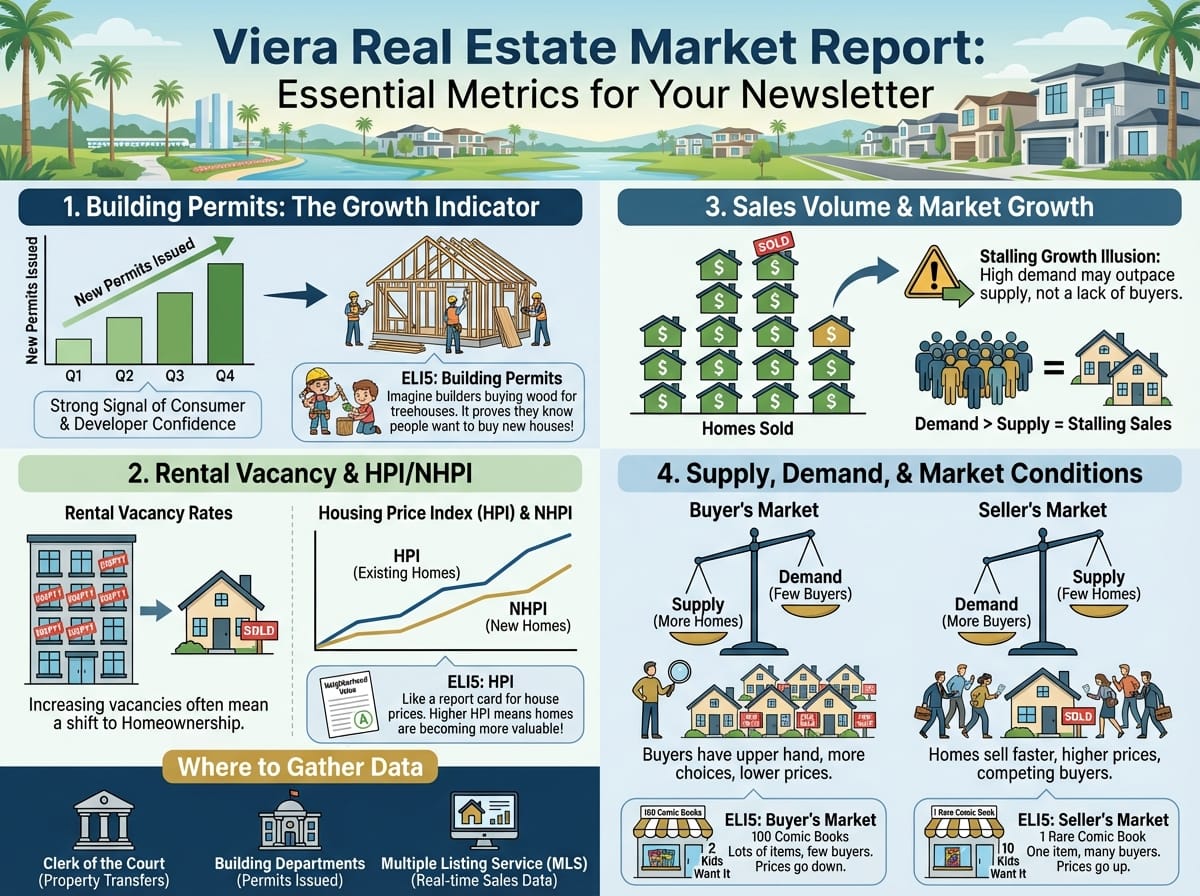
If you are a real estate professional, investor, or community leader, creating an informational newsletter or handout is an excellent way to establish authority and keep your audience informed. Viera, Florida, is a highly sought-after master-planned community, and keeping a pulse on its local real estate market is essential.
To craft a compelling and accurate real estate market report for Viera, you need to rely on specific, data-driven indicators. In this guide, we will break down the essential metrics you should include in your newsletter, where to find the data, and how to explain these concepts to your readers so they easily understand the health of the market.
Essential Metrics for Your Viera Real Estate Newsletter
When structuring your handout, divide the information into easy-to-read sections. Highlighting the following indicators will give your readers a comprehensive view of whether the Viera market is growing, stabilizing, or declining.
1. Building Permits: The Ultimate Growth Indicator
One of the most reliable indicators of a growing economy is the number of new building permits being issued. When your newsletter highlights an increase in permits in Viera, it sends a strong signal of consumer and developer confidence. Furthermore, when local residents actually see new construction happening, it naturally boosts their confidence in the local economy.
ELI5: Building Permits
Imagine you and your friends want to build treehouses. You wouldn’t spend your allowance on wood and nails unless you were absolutely sure your friends wanted treehouses and could afford to pay you for them. When builders get “building permits” from the city, it’s like them buying the wood. It proves they are confident that people want to buy new houses!
2. Rental Vacancy Rates: The Shift to Homeownership
In a real estate market analysis, you should track rental vacancy rates—the percentage of available rental units that are empty. While high vacancy rates might sound like bad news for landlords, in a broader economic sense, increasing rental vacancy rates often indicate a very strong housing market. It means consumers are financially secure enough to leave their apartments and choose homeownership over renting.
3. Understanding the Housing Price Index (HPI) and NHPI
To give your readers a clear picture of property values, your newsletter should reference the Housing Price Index. These indexes help track the trajectory of local real estate investments.
- Housing Price Index (HPI): This is a measurement of the changes in prices for existing single-family homes across a specific market. Its primary purpose is to measure and track broad housing price trends over time.
- New Housing Price Index (NHPI): Similar to the HPI, but this metric specifically measures the price changes of newly constructed single-family homes.
ELI5: Housing Price Index (HPI)
Think of the HPI like a report card for house prices. Instead of grading a student on math or science, the HPI grades a neighborhood on how much its houses are worth. If the HPI goes up, the neighborhood gets an “A” because homes are becoming more valuable!
Tracking Sales Volume and Market Growth
Another crucial section of your handout should be dedicated to the volume of sales. The number of homes sold is a direct indicator of market health and can help you pinpoint specific neighborhoods in Viera that are experiencing strong growth activity.
The “Stalling Growth” Illusion
When reporting on sales volume, you might occasionally notice that the number of homes sold starts to drop. It is vital to explain the context of this to your readers. In a robust economy with a strong housing market, everyone wants to own a home. Eventually, this high demand outpaces the available supply of houses.
Therefore, a stalling of growth in sales does not always mean people have stopped wanting to buy homes (a lack of demand). Very often, it simply means there are no homes left to buy (a lack of supply).
Supply, Demand, and Identifying Market Conditions
To provide incredible value in your Viera real estate newsletter, you must explain current market conditions. Market conditions are entirely dictated by the fluctuations in supply (available homes) and demand (active buyers). This dynamic creates either a Buyer’s Market or a Seller’s Market.
What is a Buyer’s Market?
If there is a greater supply of property than there are buyers willing to buy, a buyer’s market exists. Buyers have the upper hand, more choices, and the power to negotiate lower prices.
What is a Seller’s Market?
If there is a greater supply of buyers than there are properties available to purchase, a seller’s market exists. In a seller’s market, homes sell much faster and for significantly higher prices because buyers are competing against one another.
ELI5: Buyer’s vs. Seller’s Market
Let’s say there is only 1 rare comic book left in a store, but 10 kids want to buy it. The store owner can charge a lot of money because the kids will outbid each other. That’s a Seller’s Market.
Now, imagine the store has 100 copies of the comic book, but only 2 kids want it. The store owner has to lower the price to convince the kids to buy them. That’s a Buyer’s Market.
Where to Gather Data for Your Viera Handout
To ensure your newsletter is accurate and authoritative, you need to pull data from reliable sources. Here is where you can find the numbers to populate your report:
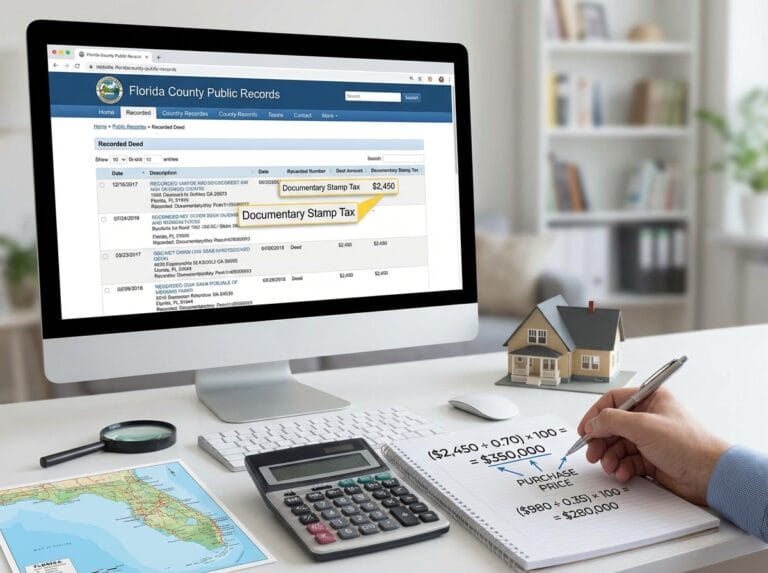
- Clerk of the Court: Because property transfers are a matter of public record, you can collect official records of property sales directly from the local county clerk.
- Building Departments: Building permits issued are also public record. You can request these numbers from the local municipal or county building department to assess new construction health.
- Multiple Listing Service (MLS): If you are a licensed real estate agent, the MLS is your most powerful tool. It provides real-time sales data, the exact number of properties sold, the average prices of homes sold, and the average length of time a property sits on the market before producing a sale.
By compiling these metrics—building permits, HPI, sales volume, and supply/demand ratios—your real estate newsletter will become an indispensable resource for anyone looking to buy, sell, or invest in Viera, Florida.